
Puyallup, WA · Garage Door Service
Garage Door Installation for Puyallup Homes
New garage door installation for Puyallup homes built 1938-2003, matched to the cold, wet climate and the openings this housing stock actually has.
- Repairs & new doors
- Springs & openers
- Serving 6 nearby communities
Why This Fails Locally
Most of Puyallup's housing went up between 1938 and 2003, with the bulk of it dating to the 1980s and 90s across the 43 named areas that make up this market. That matters for installation because doors from that era were sized and hung to specs nobody builds to anymore. Tracks are narrower, headroom is tighter, and a lot of these openings were framed for a single-layer steel door with no insulation requirement behind it.
Puyallup sits in a cold-moderate climate band, not a dry one. That combination of age and weather is what actually causes install failures: a swap-in door bought off a shelf without checking the original jamb and header measurements ends up with gaps at the corners, which in a wet winter means water tracking down the inside of the wall, not just a draft. The fix isn't a bigger door. It's measuring the actual opening on a house built in this window and installing to that, not to a generic big-box template.
What the Repair Takes
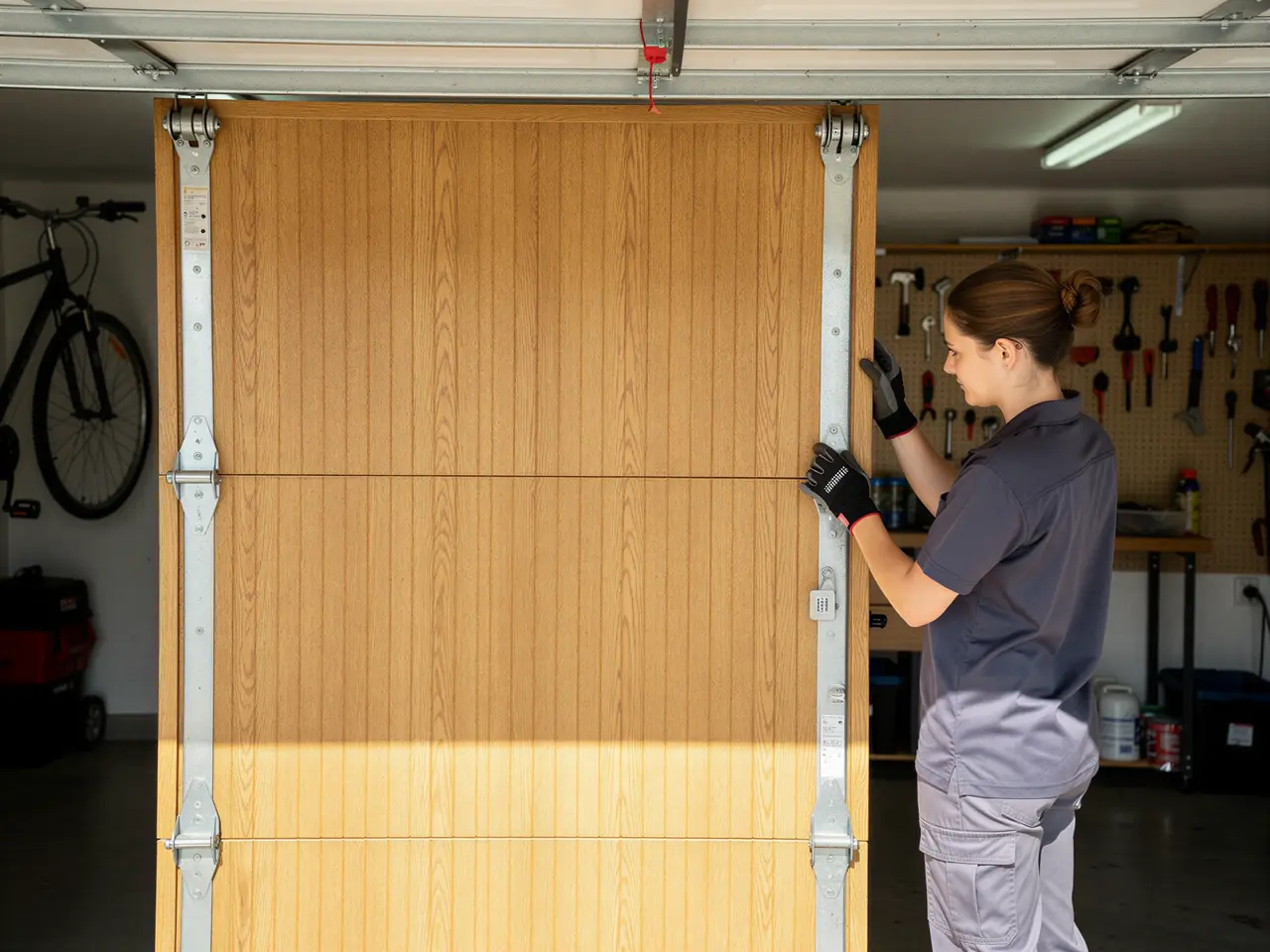
A proper installation on a house from this era starts with pulling the old door and jambs down to the framing, because 1980s and 90s construction in this area often has the header set lower than current door heights assume. We check headroom, backroom, and sideroom against the actual door you're putting in, not the one the showroom assumes fits.
Track and spring sizing depends on door weight, and heavier insulated doors - the right call for a cold-moderate climate - need torsion springs rated for that weight, not whatever was on the old single-layer door. Weatherseal at the jamb and header gets set tight the first time, because going back to re-seal after drywall or trim is back up costs more in labor than doing it right during the first pass. None of this is exotic work, but it's not a bolt-in swap either, and treating it like one is where gaps and binding start.
How It Shows Up
On a house from this build window, a bad install usually shows up first as daylight at the corners of the door when it's closed, or as the door catching slightly on one side of the track a few weeks in. Both point to the same root cause: the opening wasn't measured against the specific door going in, and the gap gets papered over with extra weatherstrip instead of corrected at the frame.
In a cold-moderate climate, that daylight gap turns into a cold draft across the garage floor in winter and a spot where condensation collects on the inside of the door panel. Owners sometimes mistake this for a bad weatherseal and replace just the seal, which helps for a season and then fails again because the underlying gap at the jamb was never closed. If a door was installed level but the track was never squared to the actual framing, you'll usually hear it before you see it - a grind or shudder partway up the travel.
The DIY Question
Swapping panels or hardware on an existing door is something a handy owner can manage. A full installation on a house from this era is a different job, mainly because getting the header and jamb measurements wrong by even half an inch on a heavier insulated door means the opening never seals right, and that's expensive to correct after trim and drywall are back up.
Spring tensioning for a correctly sized torsion system is also not a place to guess - a double door with a heavier insulated panel carries real force, and setting that wrong is a safety problem, not a cosmetic one. If you're swapping a single panel on a door that's otherwise fine, that's a reasonable DIY project. If you're replacing the whole door and frame, get the opening measured against the specific door before you order anything - that one step prevents most of the installs that come back to us as repairs six months later.
Frequently asked questions
Will a standard big-box garage door fit my Puyallup house?
Not always. A lot of Puyallup housing dates to the 1980s and 90s, and those openings were framed to older headroom and backroom specs. A door bought to a generic size can leave gaps at the jamb or header that cause drafts and water intrusion in our cold-moderate climate. Measuring the actual opening before ordering avoids this.
Do I need an insulated door in Puyallup?
Given the cold-moderate climate here, an insulated panel cuts down on condensation on the inside of the door and keeps the garage floor less cold in winter. It's not required by any fact we can cite, but it's the more common upgrade owners choose when replacing a single-layer door from the 80s or 90s.
Can I install a new garage door myself?
Swapping a panel on an existing door is manageable for most owners. A full door and frame replacement is riskier, mainly because torsion spring tensioning on a heavier insulated door is a real safety issue, and a jamb measured wrong means the seal never sits right. We'd rather talk you through it than have you redo trim work twice.
How do I know if my old door was installed wrong in the first place?
Daylight visible at the corners when the door is closed, a grinding sound partway through the travel, or a door that's needed re-sealing more than once are all signs the original install didn't match the opening. On houses from this build era, that's a framing mismatch more often than a worn weatherseal.
Book garage door service in Puyallup
Call now or request a quote - tell us what the door is doing and where you are.